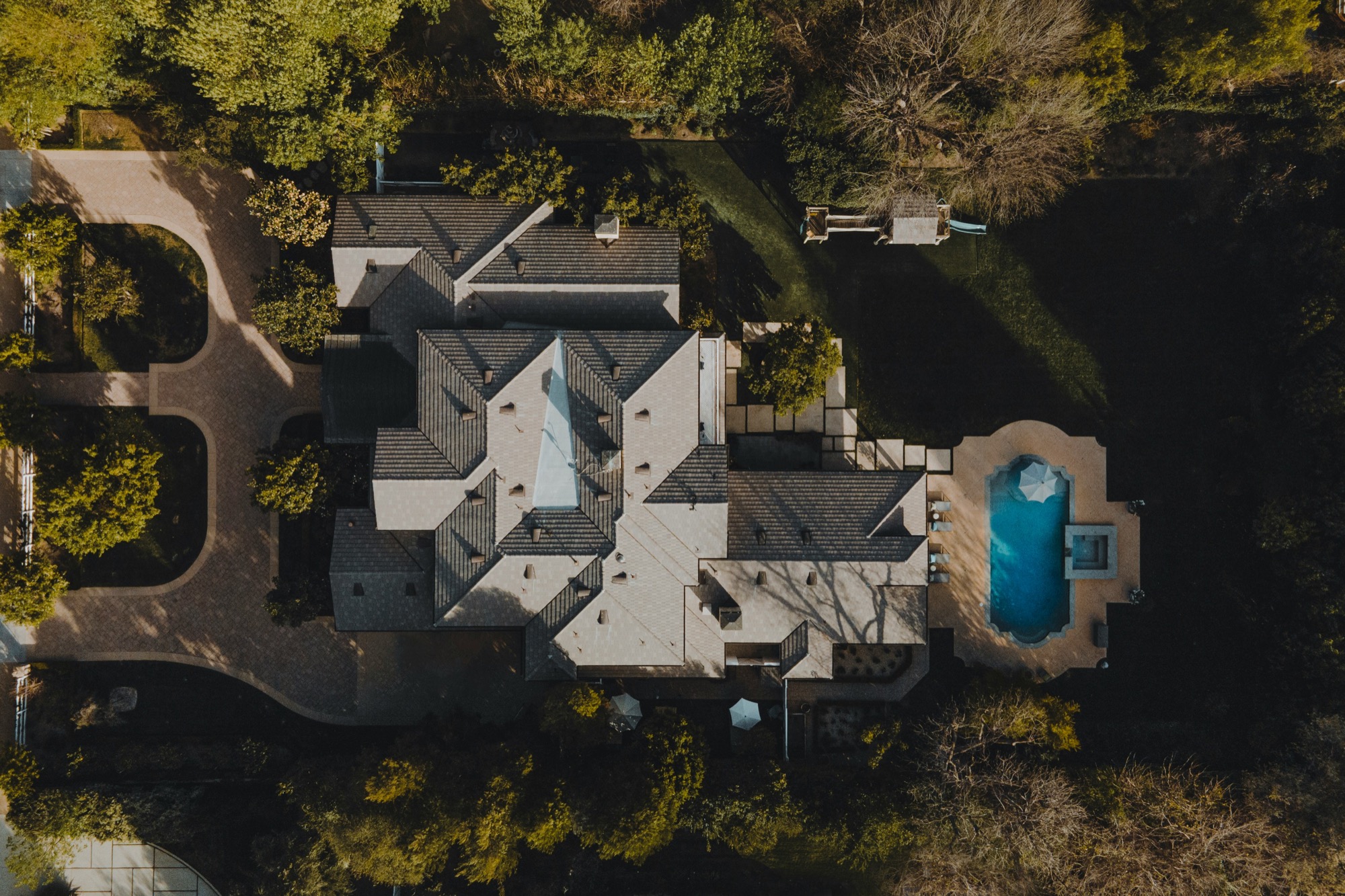
Loomis luxury real estate centers on acreage: multi-acre parcels, custom-built homes, and equestrian-friendly properties in a small Placer County town that has deliberately protected its rural character, all within minutes of Roseville and the I-80 corridor.
I've spent years representing buyers and sellers throughout the greater Sacramento region, and Loomis occupies a category of its own. It isn't trying to be El Dorado Hills or Granite Bay. It's something quieter and, for the right buyer, more valuable, genuine space, genuine privacy, and a town that has fought hard to stay exactly as it is.
This guide covers what makes Loomis luxury real estate distinct, what daily life here actually looks like, the enclaves worth knowing, and what buyers and sellers should understand before they act. I'm Alex Fairbanks of Fairbanks Estates, and Loomis is one of the markets I know most intimately.
What makes Loomis luxury real estate different from other Sacramento-area towns?
Loomis luxury real estate is built around land, not lot size in the conventional sense. Where many Sacramento-area luxury markets measure prestige in square footage or gated amenities, Loomis measures it in acres, privacy, and what you can actually do with your property.
This is a town where a serious buyer might be comparing a custom estate on two acres against a gentleman's ranch on ten, with the deciding factor being pasture, arena space, or a barn rather than a kitchen finish. Outbuildings, shops, guest quarters, and equestrian infrastructure are often as central to the value conversation as the main house itself.
That's a fundamentally different buying process than a planned luxury subdivision, and it's why I approach Loomis listings differently than I would a home in a more traditional country club community. The property itself is often the point.
It also means Loomis luxury real estate appeals to a specific kind of buyer: someone who has already decided they want land and rural character, and is choosing Loomis because it delivers that without forcing a long commute or total isolation.
What is it actually like to live in Loomis, California?
Life in Loomis moves at its own, unhurried pace, shaped by long private driveways, working horse properties, and a community that genuinely values quiet over convenience for its own sake. It's rural living that hasn't given up proximity to everything else.
Fruit stands and horse trailers are as much a part of the daily landscape here as any commercial strip. Many residents keep horses, chickens, or small orchards, and neighbors tend to know each other in a way that's increasingly rare in the region. The Town of Loomis has worked hard, through its own zoning and planning decisions, to keep it this way even as growth pressure from surrounding communities has intensified.
At the same time, Loomis is not remote. Roseville's shopping, dining, and medical facilities are a short drive away, I-80 access makes commuting into Sacramento or up toward Auburn and the Sierra foothills straightforward, and the wine country of Placer County's foothills is close enough for a casual afternoon.
For buyers, that combination is the entire appeal: the feel of the country with none of the practical sacrifices that usually come with it.
Which Loomis neighborhoods and enclaves should luxury buyers know?
Loomis luxury buyers should know that the town's character is defined less by named subdivisions and more by acreage estates scattered across its rural roads, with a handful of enclaves serving as useful reference points. Val Verde is one of the better-known pockets, and the border areas near Clos du Lac and Los Lagos offer a bridge between Loomis's rural feel and slightly more structured, amenity-oriented living.
Beyond those, much of the most desirable Loomis real estate simply isn't part of a formal neighborhood at all. It's custom acreage, parcels assembled or subdivided over decades, each with its own well, septic system, and often a distinct history of outbuildings, arenas, or agricultural use.
This matters for buyers because it means due diligence in Loomis is genuinely local knowledge work. Knowing which roads flood in a wet winter, which parcels have usable water rights, or which properties have already been set up for horses versus those that would need significant investment is the kind of detail that doesn't show up in a listing photo.
As someone who works this market closely through Fairbanks Estates, I spend as much time on the land and its history as I do on the house itself when I'm advising a buyer here.
What should buyers know about land, water, and zoning in Loomis?
Buying acreage in Loomis means understanding well and septic systems, agricultural or rural-residential zoning, and how a property's outbuildings and infrastructure factor into both value and everyday livability. These are considerations that simply don't apply to a typical suburban home purchase.
Many Loomis properties rely on private wells and septic systems rather than municipal utilities, which makes water quality, well capacity, and septic condition essential parts of due diligence. Buyers coming from more urban or suburban markets sometimes underestimate how much these systems affect both financing and long-term ownership costs.
Zoning matters just as much. Loomis has intentionally maintained rural-residential and agricultural zoning in many areas specifically to protect the character that makes the town what it is. That's good news for buyers who want to keep horses, build a barn, or maintain an orchard, but it also means it pays to confirm exactly what a given parcel allows before assuming a use is permitted.
On the selling side, this is exactly where local representation earns its value. Marketing a Loomis estate well means highlighting the land, water, and infrastructure to the buyers who actually want them, not treating an equestrian property like a standard single-family listing.
Is Loomis a good place to buy or sell a luxury estate right now?
Loomis remains a strong choice for buyers and sellers seeking genuine rural luxury near the Sacramento region, largely because land and protected small-town character of this kind are becoming harder to find as neighboring communities continue to grow. Demand for acreage and equestrian-friendly properties tends to hold up well because supply is inherently limited, Loomis isn't adding new subdivisions of ten-acre parcels.
For sellers, that scarcity is an asset, but only when a property is positioned correctly. A gentleman's ranch or equestrian estate needs to reach buyers who are specifically searching for that lifestyle, not just anyone shopping the broader luxury market. Pricing, staging, and marketing all shift when the primary value proposition is land and privacy rather than square footage alone.
For buyers, the season and broader rate environment matter less here than finding the right parcel. Because so much of Loomis inventory is unique, different acreage, different water situations, different infrastructure, patience and local guidance matter more than trying to time the market precisely.
I say this as someone who watches this market closely: the fundamentals that make Loomis desirable, land, privacy, proximity to Roseville and I-80, aren't going away, which is exactly why buyers continue to seek it out year after year.
How do I get started buying or selling a Loomis luxury property?
The best first step is a direct conversation with someone who knows Loomis's roads, parcels, and buyers well, because acreage and equestrian estates simply aren't marketed or evaluated the way conventional homes are. That's the work I do every day through Fairbanks Estates.
Whether you're searching for a custom estate with room for horses, considering a sale of a longtime family property, or simply trying to understand what a particular parcel of Loomis land is actually worth, I'm glad to walk through it with you, no pressure, just an honest conversation grounded in genuine knowledge of this town.
If Loomis is on your mind, I'd welcome the chance to talk it through. Reach out to Alex Fairbanks at Fairbanks Estates whenever you're ready.