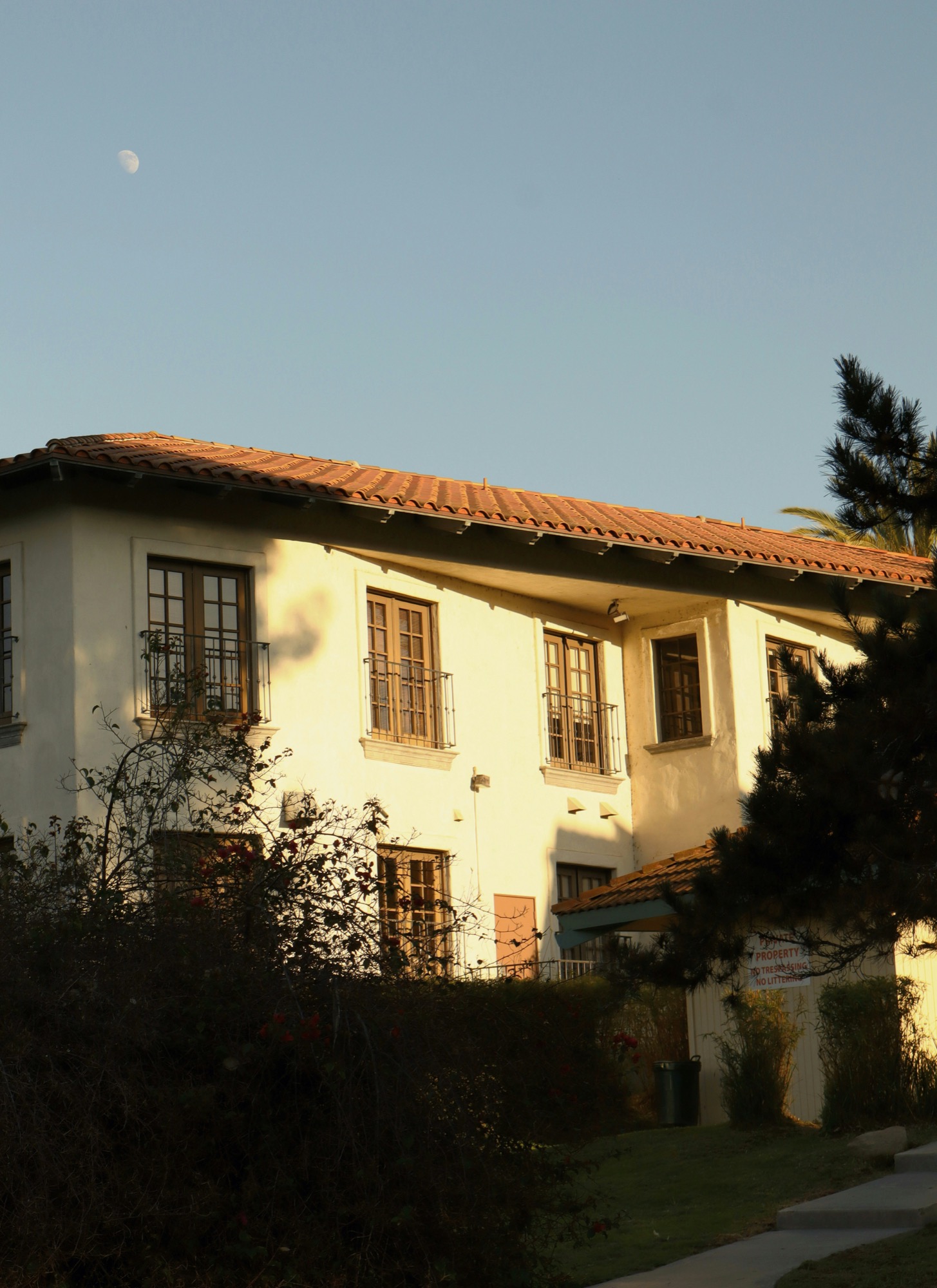
The right realtor in Loomis is one who specializes in acreage, equestrian, and custom rural properties — not a generalist who happens to have a listing there. Loomis is not Roseville with more space; it is a distinct market with its own zoning rules, water systems, and buyer expectations, and choosing an agent without that specific fluency is the single biggest mistake buyers and sellers make in this town.
Loomis, in Placer County, is a small community that has fought hard to preserve its rural character even as the region around it has grown. Multi-acre lots, horse properties, and custom estates define the market here, and that means the skills that matter — well and septic knowledge, understanding of agricultural and equestrian zoning, experience marketing gentleman's ranches — are different from what's needed three miles away in a subdivision.
I'm Alex Fairbanks, and Loomis acreage is a market I work in regularly as part of my practice across the greater Sacramento foothills. This guide walks through exactly what to look for in a Loomis realtor, and why the details matter more here than almost anywhere else in the region.
Why does Loomis require a different kind of realtor than nearby towns?
Loomis requires a realtor who understands rural and equestrian properties specifically, because standard suburban real estate knowledge doesn't cover the issues that come up constantly here — private wells, septic systems, outbuildings, arena footing, fencing, and agricultural zoning designations. An agent who mainly sells tract homes in Roseville or Rocklin simply won't have run into these questions often enough to guide a client through them with confidence.
Loomis is defined by acreage. Whether it's a small orchard property, a horse setup with a barn and turnout, or a custom estate on several private acres, the physical characteristics of the land are often as important to the sale as the house itself. A realtor working in this space needs to know how to evaluate usable acreage versus unusable slope, how local wells and septic systems are inspected and permitted, and how zoning affects what a buyer can actually do with the land — keep horses, add a second unit, build a shop.
Buyers drawn to Loomis are also a different type of buyer. They are often leaving denser suburbs specifically to get space, quiet, and a long private driveway. An agent needs to understand that motivation to show properties that genuinely fit, rather than just filtering by bedroom count and square footage.
This is why local specialization matters so much here. Fairbanks Estates works across El Dorado Hills, Granite Bay, Folsom, and Loomis precisely because these towns each have their own rural and luxury nuances, and Loomis's acreage market is one of the most specialized of all of them.
What should you look for in a Loomis real estate agent?
Look for a realtor who can speak fluently about wells, septic, zoning, and equestrian infrastructure, and who has actually closed transactions on acreage or horse properties in Loomis or comparable Placer County communities. Ask direct questions: How many acreage sales have you handled in the last year? Do you know the difference between the town's zoning designations for agricultural versus residential parcels? Can you explain how a private well is typically tested and disclosed in a sale?
A strong Loomis agent should also be comfortable discussing outbuildings — barns, shops, guest units, arenas — and how they factor into value and marketing. These structures often don't show up cleanly in standard appraisal comparables, so an agent needs judgment, not just data, to price them appropriately.
Equally important is local relationship depth. Loomis is a small, tight-knit town, and much of its best inventory moves through word of mouth and relationships before it ever hits the open market. An agent embedded in the community — who knows the neighbors, the other acreage owners, the local lenders who understand rural appraisals — has access that a generalist simply doesn't.
Finally, ask how they'd market your specific property. A four-acre equestrian estate needs a different strategy than a half-acre home in a subdivision. The right agent should be able to describe, specifically, who the buyer for your property is and how they plan to reach that person.
How is buying or selling acreage in Loomis different from a typical home sale?
Buying or selling acreage in Loomis involves more technical due diligence than a standard suburban transaction — water rights and well capacity, septic system condition, easements, fencing, and zoning compliance all need to be verified before closing. These are not optional details; they materially affect what a property is worth and what a buyer can do with it.
Comparable sales are also harder to find. In a subdivision, an agent can pull five recent sales within a quarter mile and build a confident valuation. In Loomis, comparable acreage sales might be spread across the town, or even into neighboring rural pockets of Placer County, and each property varies significantly in usable land, water infrastructure, and improvements. Pricing acreage correctly requires an agent who tracks these sales closely and understands how to adjust for differences that a standard appraisal model might miss.
Financing can also look different. Rural and equestrian properties sometimes require lenders experienced with agricultural exemptions, well and septic contingencies, or larger acreage loans, and not every loan officer handles these smoothly. A realtor who has been through this process before can steer clients toward the right lending partners and anticipate underwriting questions before they become delays.
For sellers, presentation matters differently too. A well-maintained barn, a groomed arena, or a productive orchard can be genuine selling points, but only if they're marketed to the right audience — buyers who understand and want that lifestyle, not just anyone browsing square footage.
Which Loomis neighborhoods and areas should buyers know about?
Loomis buyers should know that much of the town's most desirable inventory is custom acreage rather than tracts, with pockets like Val Verde and border areas near Clos du Lac and Los Lagos offering a blend of larger-lot living with some proximity to more established communities. Understanding these distinctions helps buyers set realistic expectations for privacy, lot size, and access to amenities.
Val Verde is known for its larger parcels and quieter, more rural feel, appealing to buyers who want genuine acreage without sacrificing a reasonable drive to town. Areas bordering Clos du Lac and Los Lagos offer a slightly different character, often with a bit more structure to the surrounding development while still respecting Loomis's overall low-density feel.
Beyond these named pockets, much of Loomis is custom acreage estates — properties that were built one at a time, often decades apart, each shaped by the buyer's own vision for the land. This is part of what gives Loomis its individual character: there is no single dominant architectural style or builder pattern, which means every property truly needs to be evaluated on its own terms.
A realtor who knows these distinctions can help buyers understand not just what's for sale, but what kind of Loomis lifestyle a given property actually delivers — full equestrian capability, a quiet retreat with a large lot, or something in between.
How should you start the process of buying or selling in Loomis?
The best way to start is with a direct conversation about your specific goals — whether that's finding acreage with equestrian potential, selling a custom estate to the right buyer, or simply understanding what your Loomis property is worth in today's market. A knowledgeable local agent should be able to speak candidly about all of these without a hard sell.
I'm Alex Fairbanks, and Loomis's rural and equestrian properties are a meaningful part of my work across the Sacramento foothills, alongside El Dorado Hills, Granite Bay, Folsom, and Serrano. Fairbanks Estates approaches each Loomis property individually, because that's what the town itself demands — no two acreage estates are quite alike, and neither are the buyers who want them.
If you're considering buying or selling in Loomis, I'd welcome the conversation. There's no pressure and no obligation — just an honest, informed discussion about your property, your goals, and what the current Loomis market looks like for someone in your position. Reach out to Alex Fairbanks at Fairbanks Estates whenever the timing feels right.