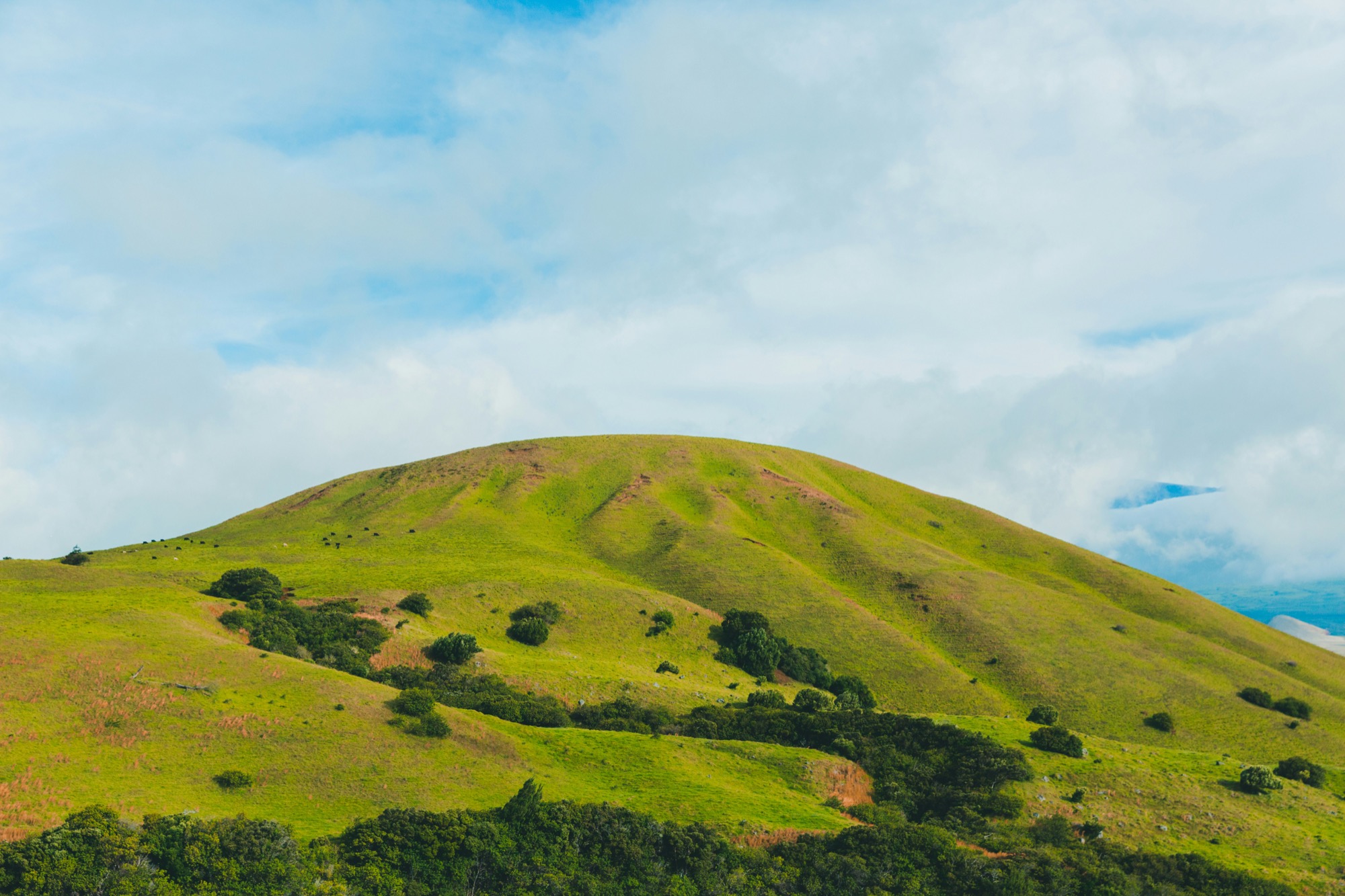
A horse property in Granite Bay is a home set on a large enough parcel, typically zoned to allow equestrian use, with the land, access, and improvements to support horses on site. In practice that means acreage, privacy, and infrastructure (think fencing, turnout space, sometimes a barn or arena) layered onto the same oak-shaded, estate character that defines the wider community.
Granite Bay, in Placer County, has long attracted buyers who want room between neighbors and land that does something more than sit decoratively. Its equestrian and semi-rural pockets exist alongside gated enclaves and golf-adjacent streets, which is part of what makes this market interesting and, at times, a little tricky to navigate without local guidance.
I'm Alex Fairbanks, and horse and acreage properties are a meaningful part of what I handle in Granite Bay. Below is what I tell clients who are weighing this kind of purchase or preparing to sell one.
What actually makes a property in Granite Bay a horse property?
A horse property in Granite Bay is defined by three things together: a parcel large enough to support equestrian use, zoning or land use designation that allows it, and the physical setup, fencing, turnout areas, and in many cases a barn, stable, or arena, to make it functional day to day.
It is not enough for a home to simply sit on acreage. I have shown clients beautiful large lots that were never configured, or legally positioned, for keeping horses, and I have shown them more modest acreage that was thoughtfully set up and highly usable. The distinction matters enormously once you start comparing properties.
In Granite Bay, this usually means looking at parcels larger than the typical estate lot, often with cross-fencing, a flat or gently graded building pad for a barn, and road or driveway access that can accommodate a trailer. Some properties include existing improvements like round pens or riding arenas; others offer raw acreage with the zoning in place but none of the infrastructure built yet.
Because Granite Bay's landscape is so varied, from gated, amenity-rich enclaves to quieter semi-rural roads, confirming that a specific property is genuinely equestrian-capable, rather than simply large, is one of the first things I verify for clients.
Where in Granite Bay do you find horse and acreage properties?
Horse and acreage properties in Granite Bay tend to be found in its quieter, lower-density pockets rather than in its more tightly built, amenity-driven neighborhoods. Enclaves like Los Lagos and Granite Bay Hills include larger parcels and more varied terrain, while established areas such as Treelake and The Woods tend to favor generous, tree-canopied lots within a strong neighborhood identity.
Wexford and Clos du Lac, by contrast, are known more for their refined, estate-scale settings, often with homeowners' association guidelines that shape what is and is not allowed on the property. That can include restrictions on outbuildings, fencing style, or animal use, so these are important details to understand before assuming a lot can be used for horses.
The broader pattern across Granite Bay is that semi-rural character increases as you move away from the most structured, gated communities and toward its edges, where oak woodlands and larger, less uniform parcels are more common. Matching a client's equestrian goals to the right pocket of Granite Bay, rather than assuming any large lot will do, is where my local experience earns its keep.
What should buyers look for when evaluating a horse property?
Buyers evaluating a horse property in Granite Bay should look closely at usable land, water and waste systems, access, and any governing restrictions, since these shape both lifestyle and long-term value far more than square footage alone. A beautiful parcel on paper can be far less functional once slope, drainage, or setback requirements are factored in.
Usable, relatively level land matters more than total acreage. Steep or heavily wooded terrain can limit where fencing, turnout, or a barn can actually go, even on a generously sized lot. Walking the land, not just reviewing the survey, is the only way to understand this properly.
Where a property relies on a private well and septic system rather than municipal utilities, these systems deserve early, careful attention, since their condition and capacity affect both daily life and the property's long-term suitability for animals. Access is equally important: can a trailer comfortably turn around, and is the driveway grade manageable in wet weather.
Finally, any applicable association rules, county requirements, or easements should be reviewed before falling in love with a property's land. Some of Granite Bay's neighborhoods are more permissive of equestrian and agricultural use than others, and getting this wrong after close of escrow is a frustration I work hard to help clients avoid.
What is the lifestyle actually like on a Granite Bay horse property?
Life on a Granite Bay horse property tends to feel private, unhurried, and rooted in the land itself, with daily rhythms shaped by the property as much as the house. Clients who choose this path are usually drawn to the combination of space, mature oak canopy, and the sense of a working landscape rather than a purely ornamental one.
Many of these properties sit close enough to the Folsom Lake State Recreation Area and its trail network that riding or hiking directly from home is realistic, which is a meaningful draw for equestrian buyers. At the same time, Granite Bay's location keeps the conveniences of Roseville's shopping and dining, and Folsom and the Highway 50 corridor, within a comfortable drive.
The tradeoff, if it can be called that, is a lifestyle oriented around upkeep: fencing, footing, barns, and land all require ongoing attention. Clients who thrive here tend to see that stewardship as part of the appeal rather than a burden, and they often describe the result as a retreat that still keeps them close to everything they need.
What should sellers of a Granite Bay horse property know?
Selling a horse property in Granite Bay successfully starts with presenting the land and its infrastructure as clearly and honestly as the home itself, since equestrian buyers evaluate a property very differently than typical home buyers do. The condition of fencing, footing, barns, and turnout areas carries real weight in their decision.
Thoughtful marketing matters here. Photography and descriptions that show the usable land, the quality of improvements, and the property's actual equestrian capability tend to resonate far more than generic lifestyle imagery. Honest disclosure about well, septic, access, and any limitations on the land builds trust with a buyer pool that tends to be knowledgeable and discerning.
It also helps to understand how a given property compares to others in Granite Bay's equestrian pockets, since not every large lot is equally capable, and buyers in this niche often do their homework. Positioning the property accurately from the start, rather than overselling its capacity, tends to produce a smoother transaction and a buyer who is genuinely the right fit.
How do I buy or sell a horse property in Granite Bay?
The best first step is a straightforward conversation about what you actually want from the land, whether that is full equestrian functionality, future potential, or simply the privacy and space that acreage provides. From there, I can point you toward the Granite Bay pockets, from Los Lagos to Treelake to the quieter semi-rural edges of the community, that genuinely fit your goals.
For buyers, I bring the local knowledge that distinguishes a truly usable horse property from a large lot that only looks the part, along with a clear-eyed read on wells, septic, access, and association rules before you are far into the process. For sellers, I offer honest guidance on how your property compares in this specific niche, and a marketing approach that presents your land, as well as your home, with the polish serious buyers expect.
As Alex Fairbanks with Fairbanks Estates, I know this corner of the Granite Bay market closely and would be glad to walk the land with you. Reach out whenever you are ready; there is no hurry and no obligation, only a conversation about what life beneath the oaks could look like for you.